A small house, a borrowed barn, and a year of waiting for the first cabernet to find its voice.
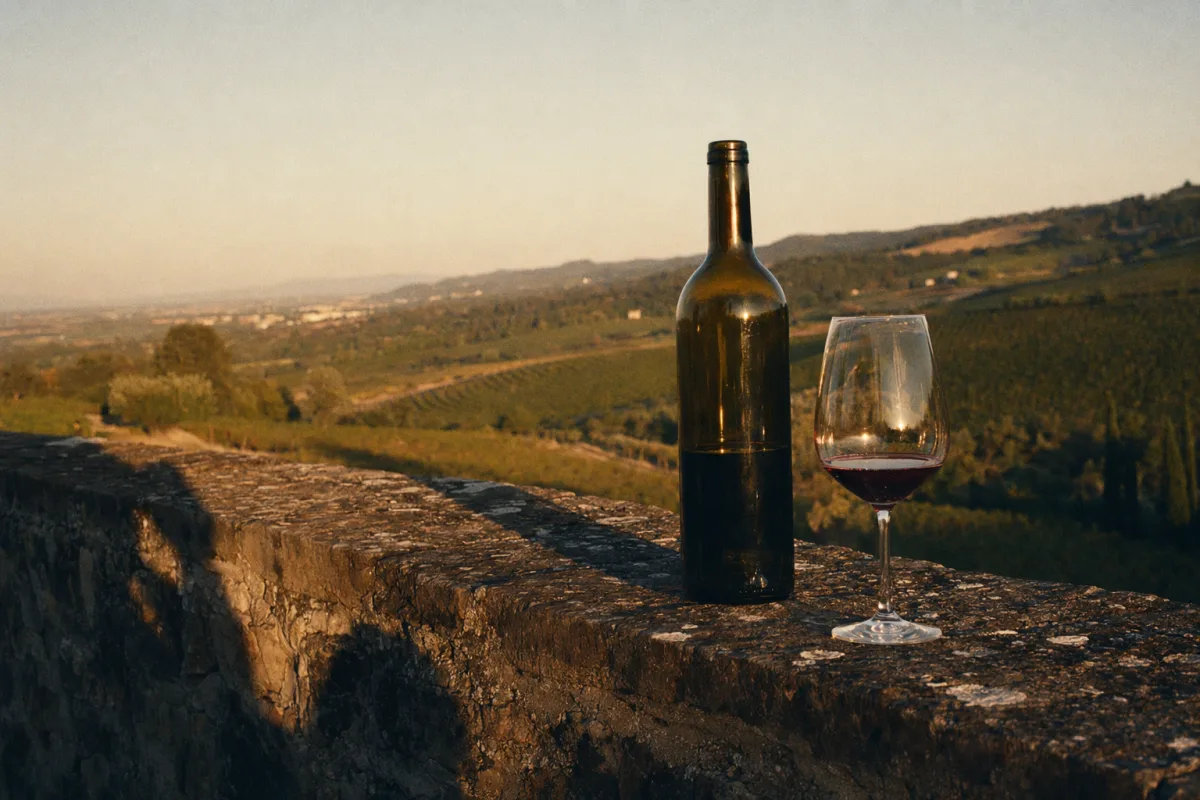
We did not start with a winery. We started with a feeling — that the gravel under the western foot of the Helan range carried something the world had not yet listened to.
So we leased a hectare in Ganchengzi, borrowed a barn, and waited. The first vintage taught us patience. The second taught us silence. The third finally let us speak.
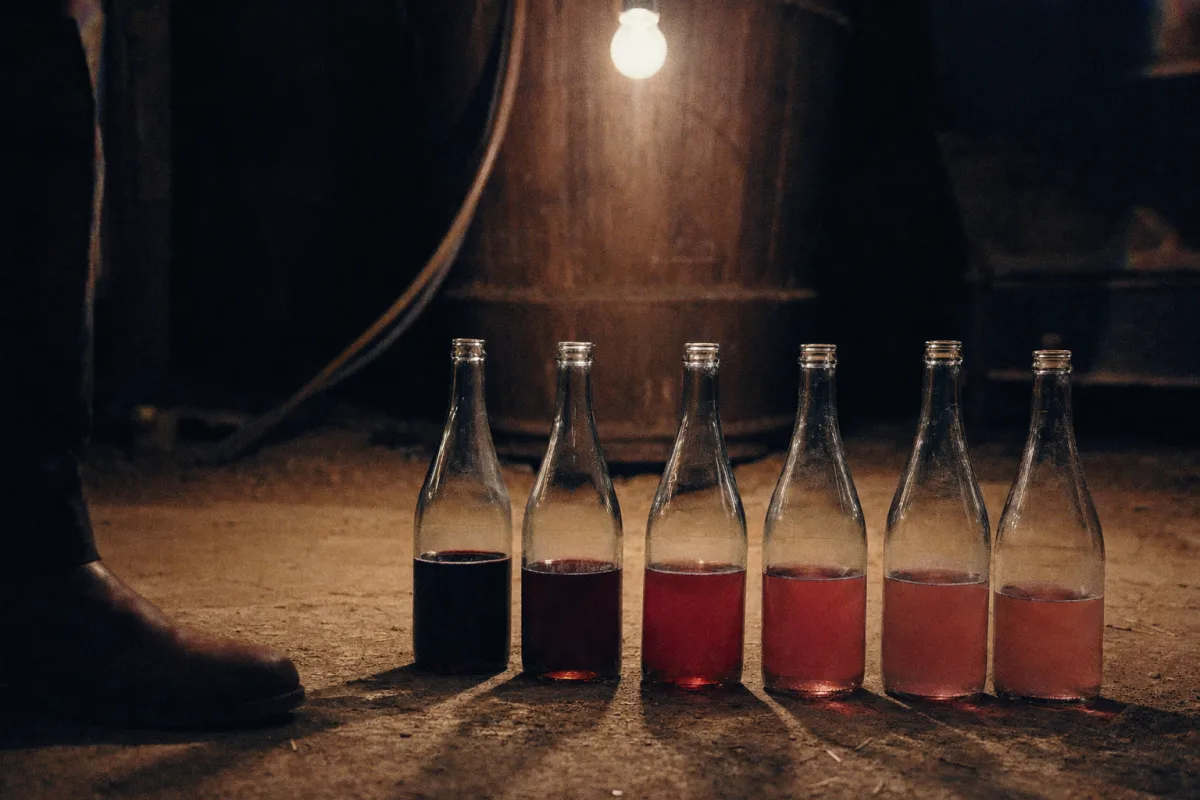
Not all of them are good. The good ones we keep. The bad ones we taste again every January, just to remember.
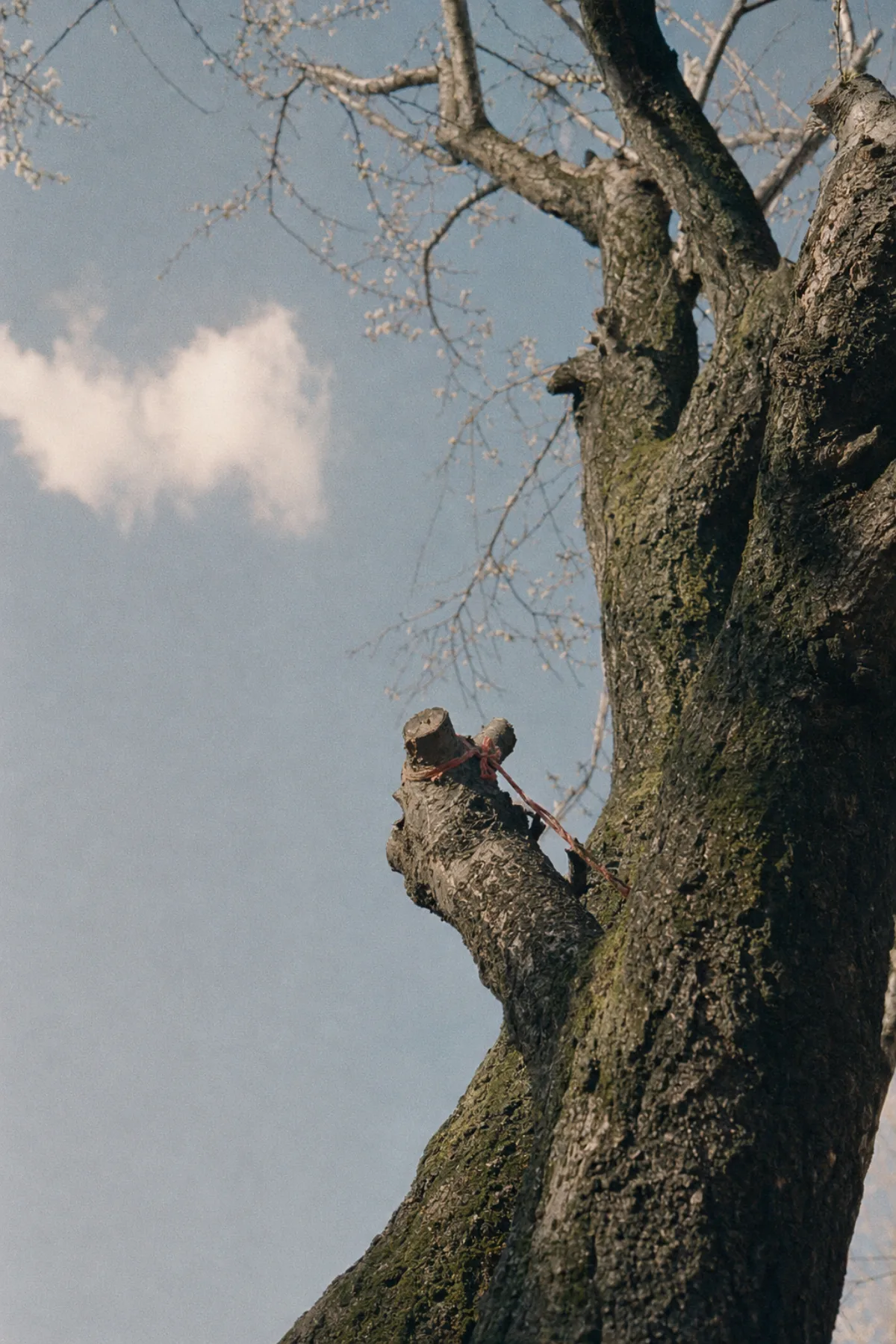
We meet the block at Ganchengzi for the first time. Nothing planted. Just stones, wind, and an old apricot tree at the corner. We sign the lease the next morning.

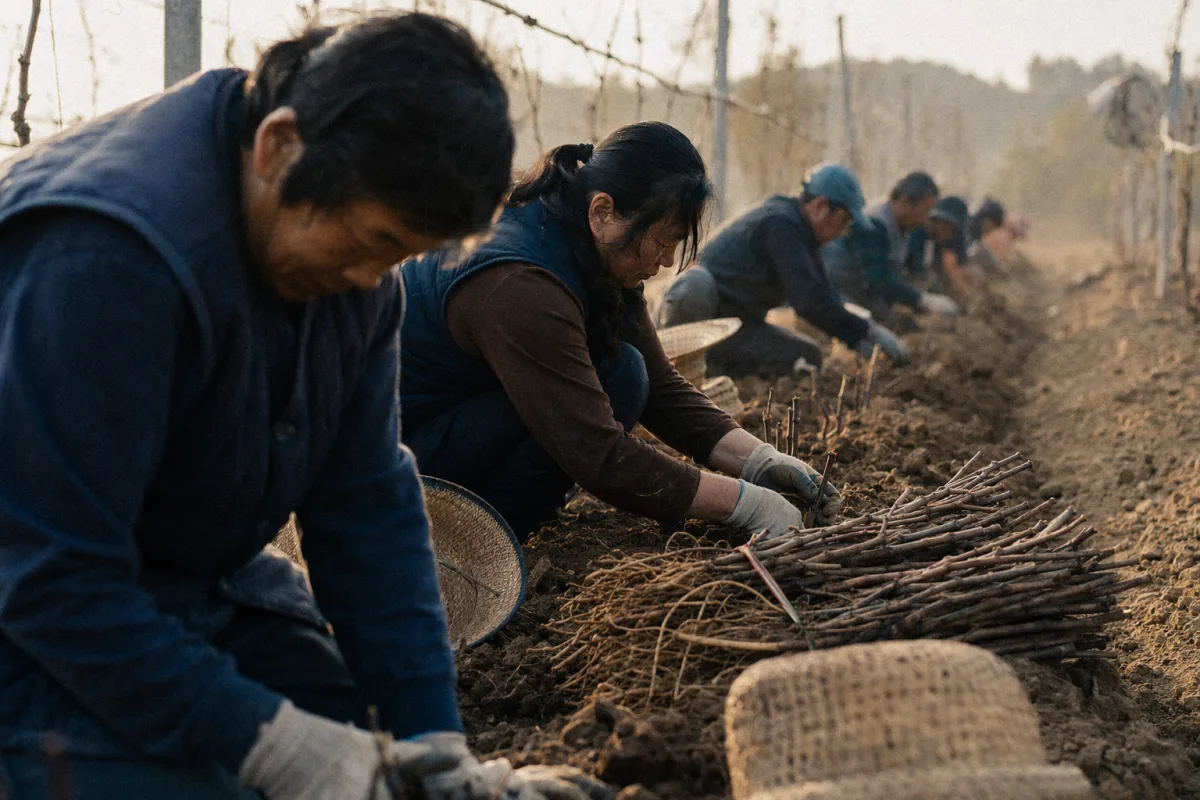
Massal selection from a friend in Bordeaux. Twelve thousand vines, by hand, in three weeks. Two of them die before summer. The rest hold.

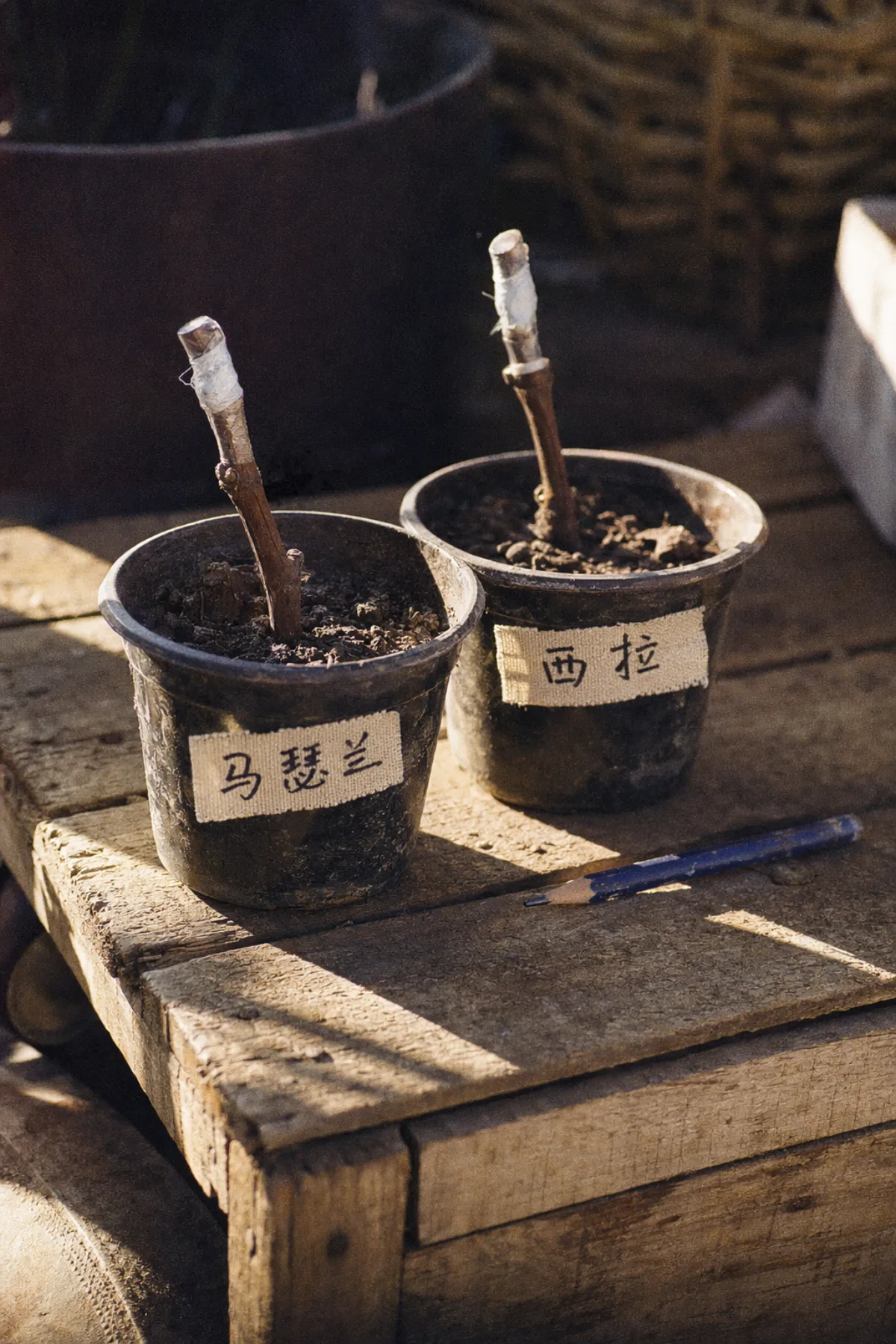
We add the two grapes that will define the house. Marselan for power, Shiraz for spice. Both find their feet on gravel faster than we expect.

Six barrels. Pressed by foot. Quietly drunk by the team alone. Not for sale. We needed to know what the land tasted like before anyone else did.

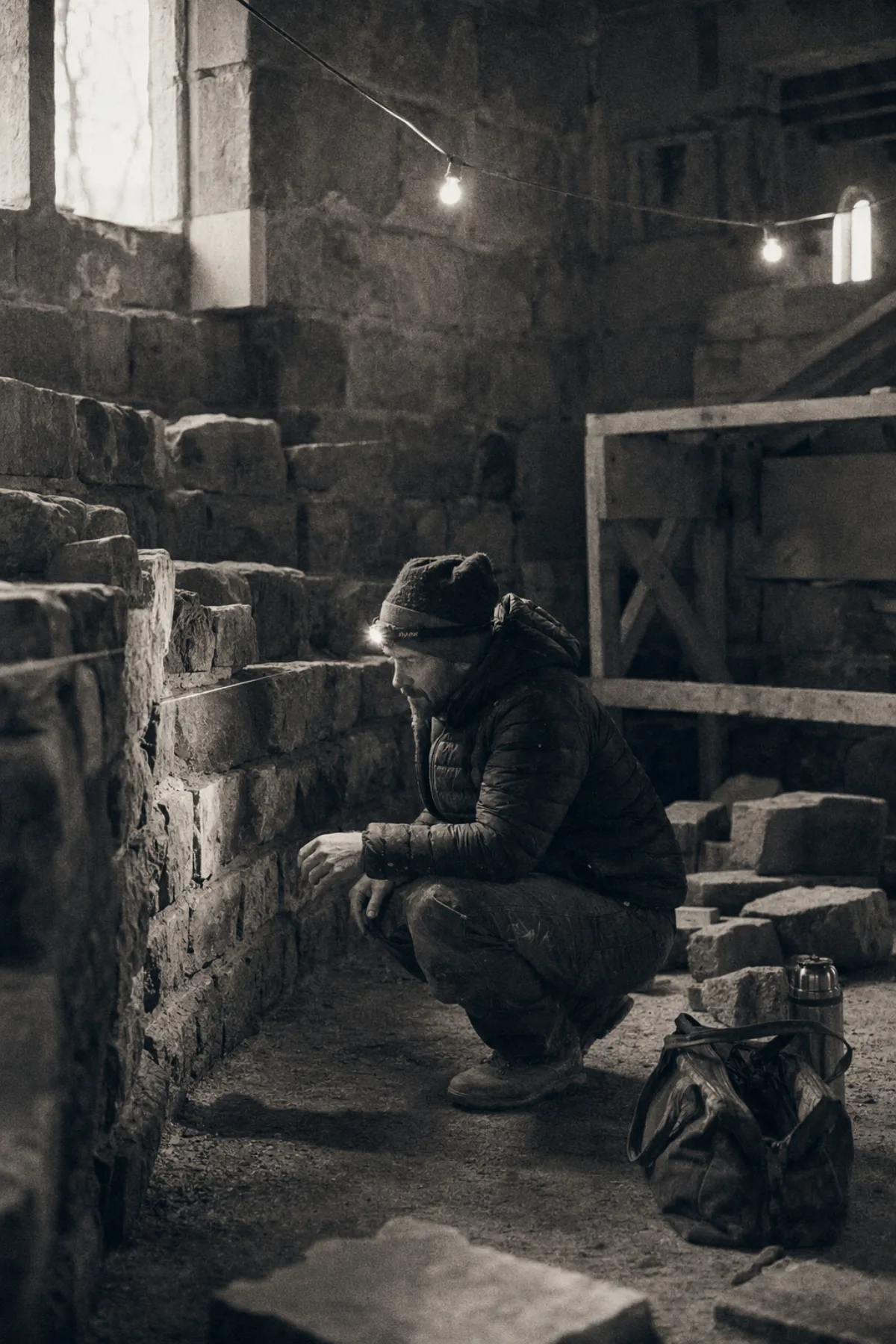
A long stone room, half buried, with a constant 14°C and the smell of damp limestone. Built by two stonemasons from Wuzhong over the course of one winter.

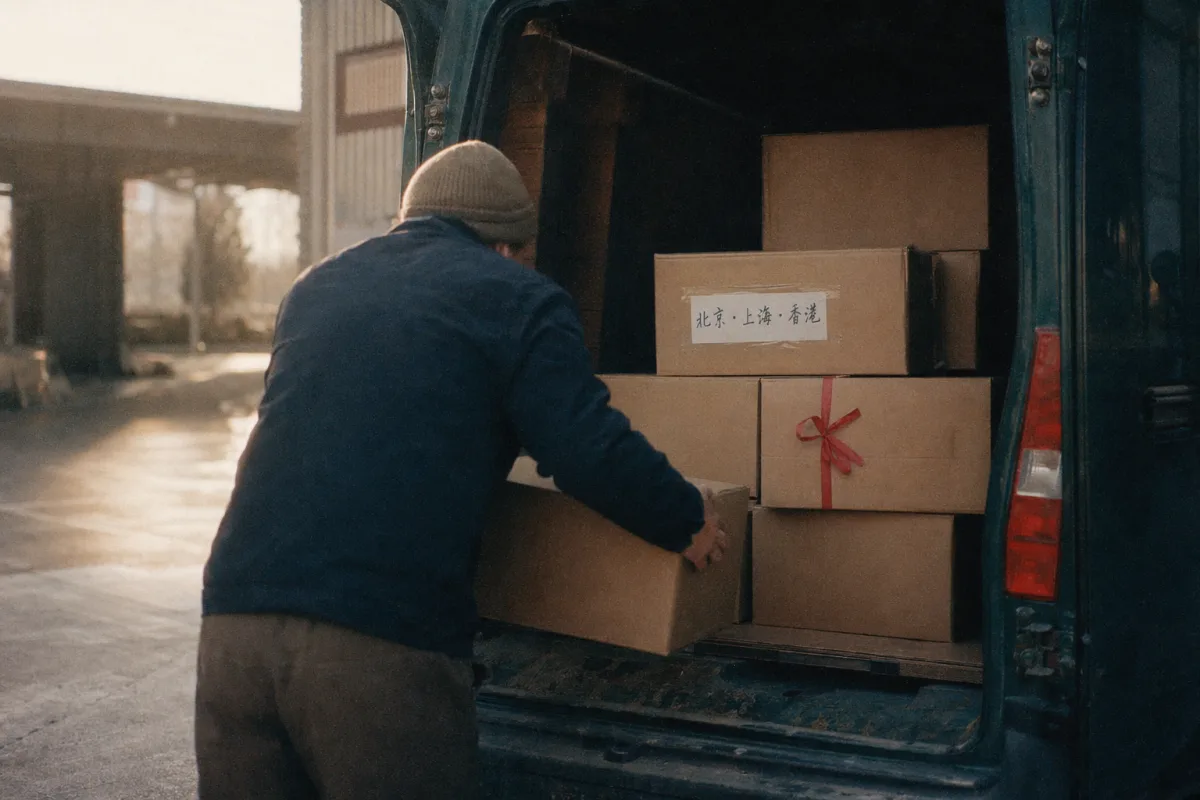
Three thousand bottles of Cabernet Sauvignon. Sold by word of mouth in Beijing, Shanghai, and one shop in Hong Kong. Gone in eleven days.

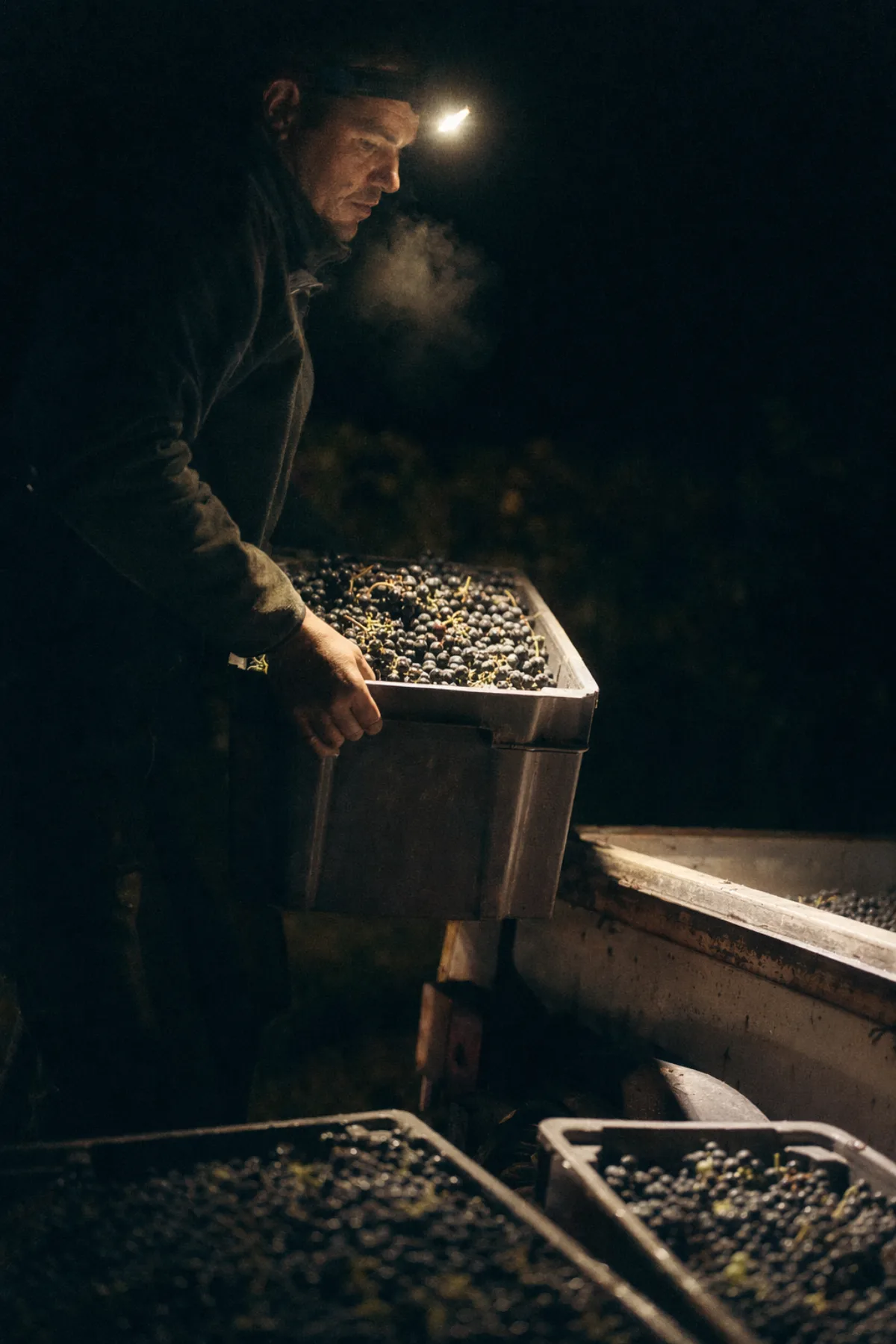
Cool spring, dry July, late ripening. We pick at night for ten days. Marselan in particular comes in with a perfume we have not seen since.

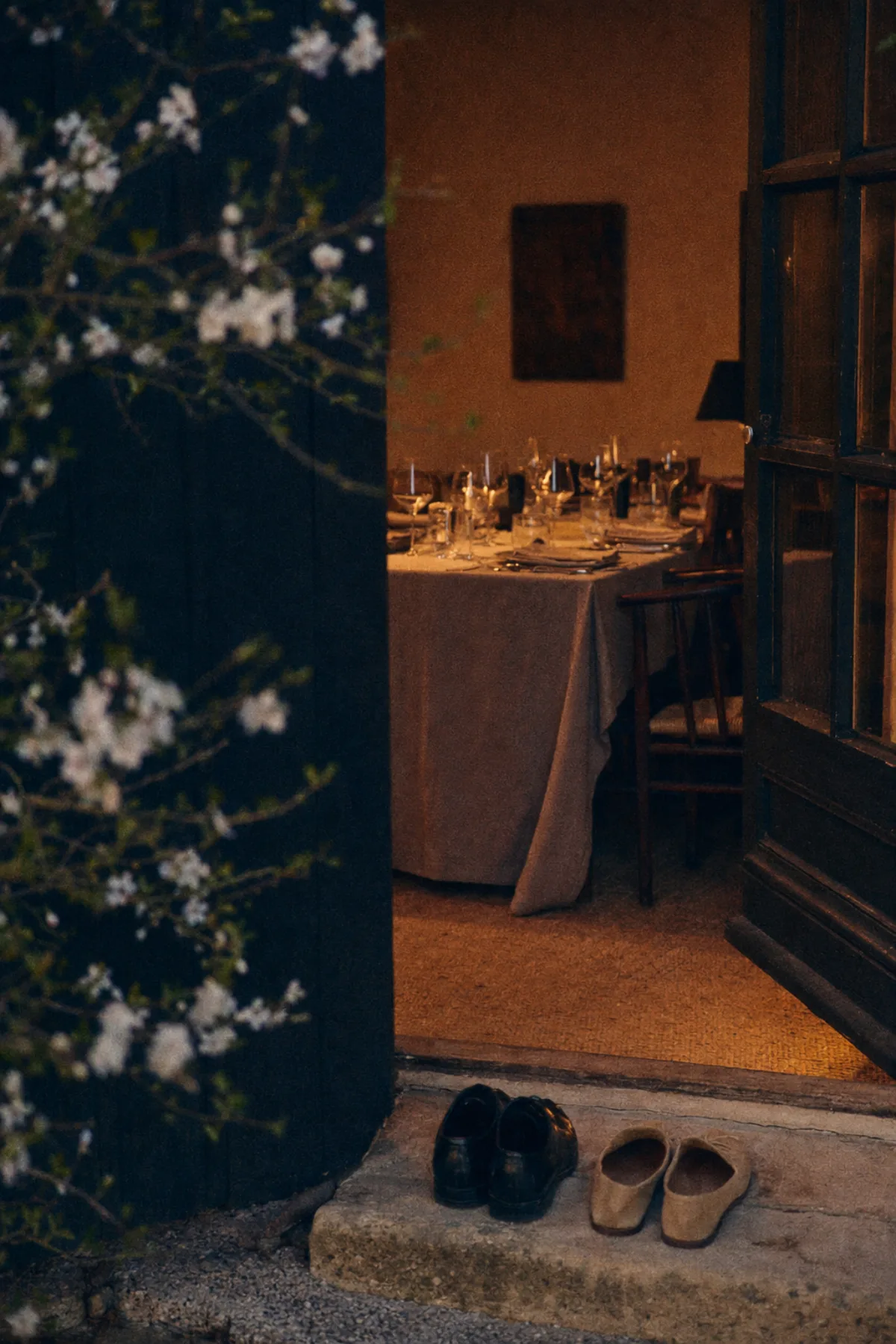
By appointment only. A cellar door for ten people at a time, in front of the apricot tree that started everything.

Three single‑vineyard wines, no second label, no shortcut. The house is still small. We intend to keep it that way.

Slowly. Out loud. Once at the start of the day, then again at sunset, when the meaning has had time to settle.
We work native yeasts because we want our barrels to argue with us. We do not fine, because we are not afraid of a little weather inside the bottle. We use the smallest amount of sulphur we can get away with at bottling, and not a milligram more. The result is not a wine that wins competitions on the first sip — it is a wine that you remember a week later, in another room, for no reason at all.

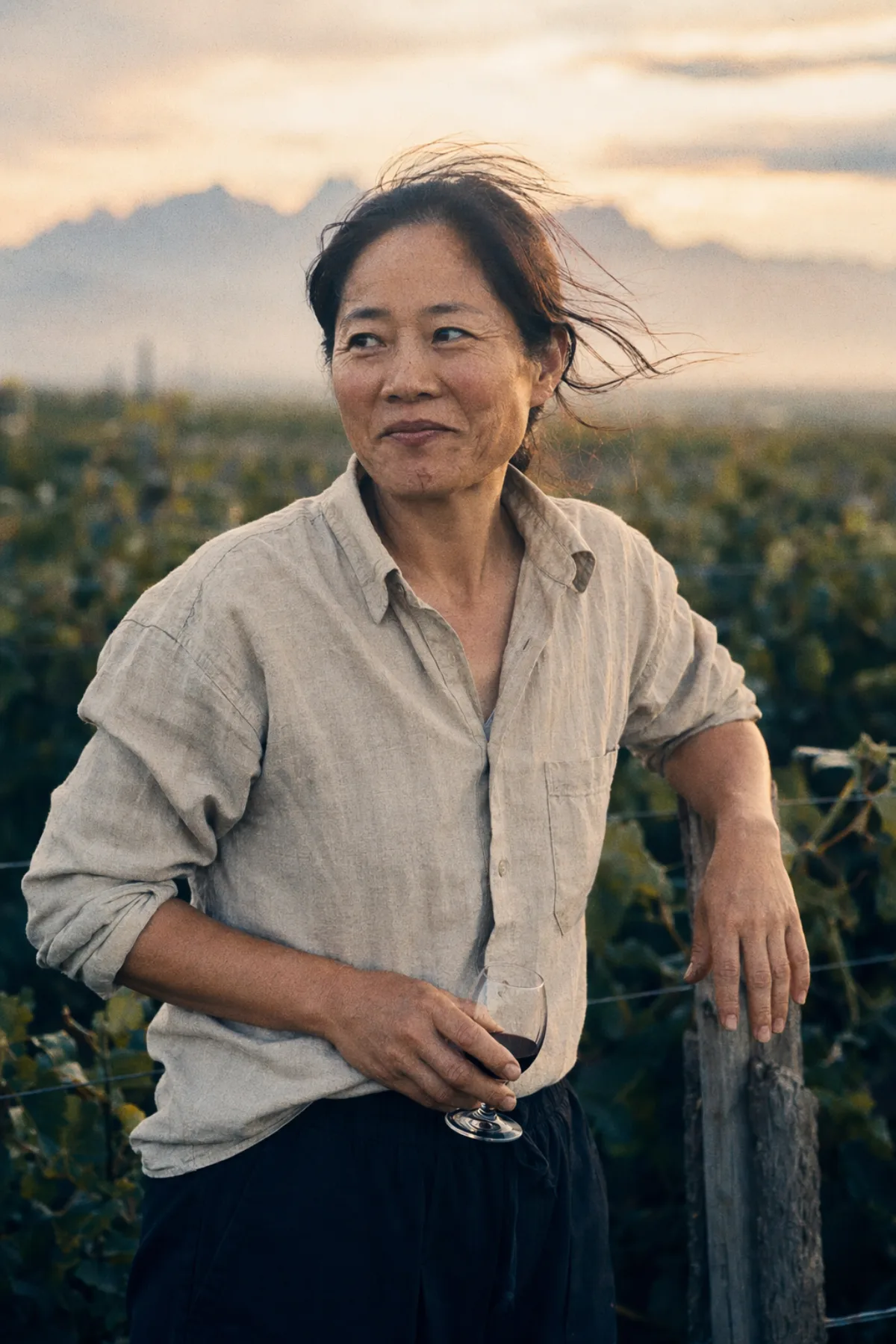
Ningxia‑born, Bordeaux‑trained. Walked the Ganchengzi block for the first time in 2016 and never left.

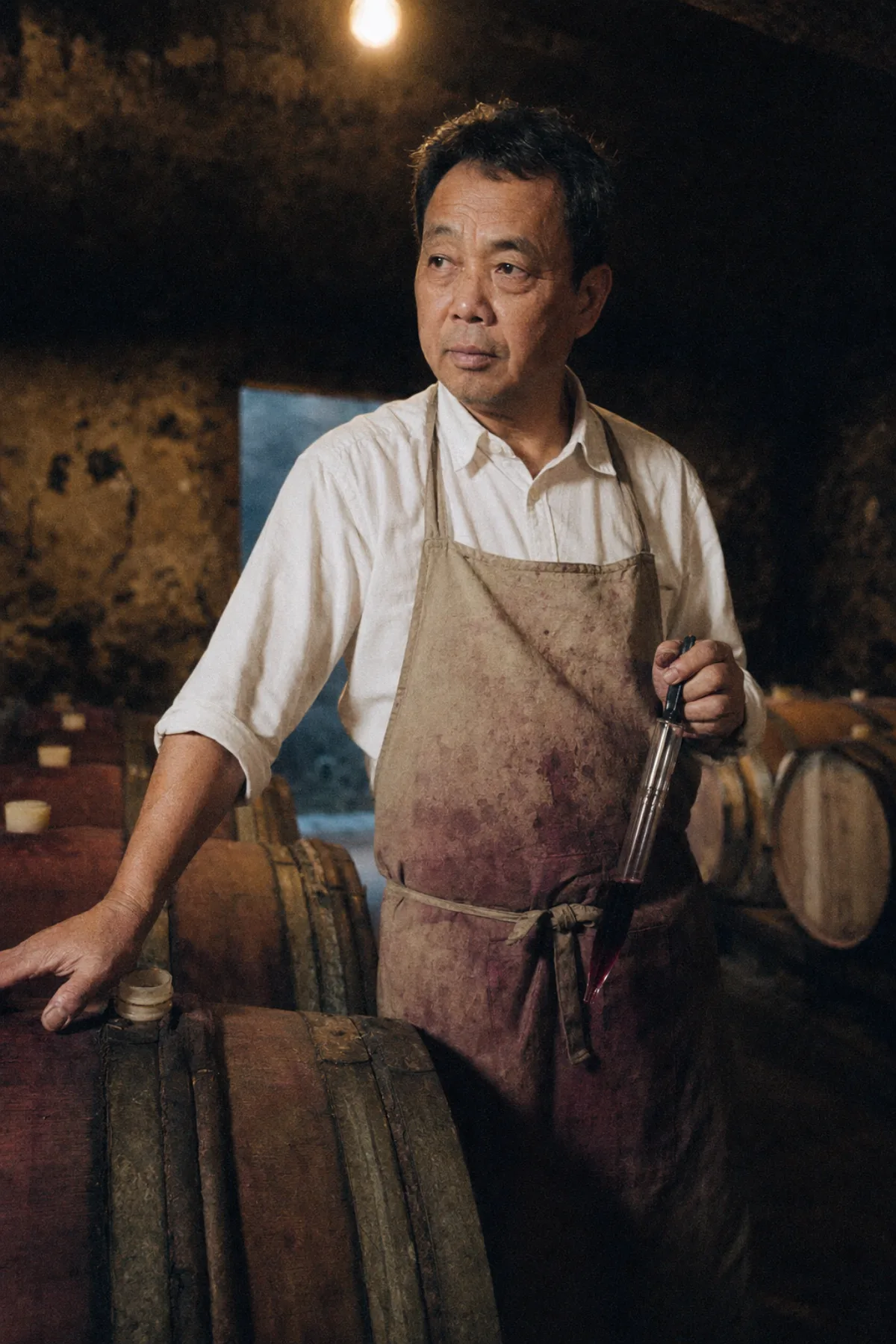
Twenty years in Ningxia cellars before joining the house. Believes a barrel knows more than the winemaker most days.

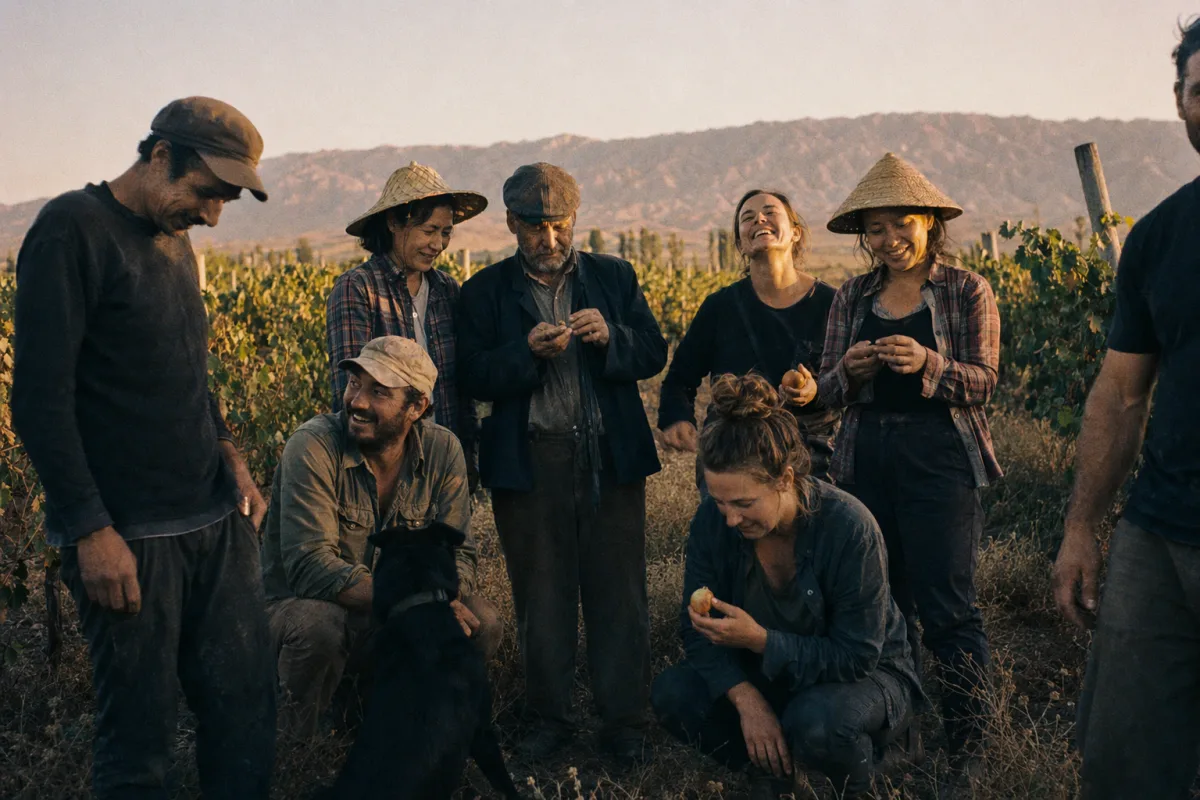
Eight families from the village below the block. Pick by hand, prune by hand, and have done so for three vintages now.
“The wind made the soil. The soil made the vine. We are only the witness.”— Founder's Note